
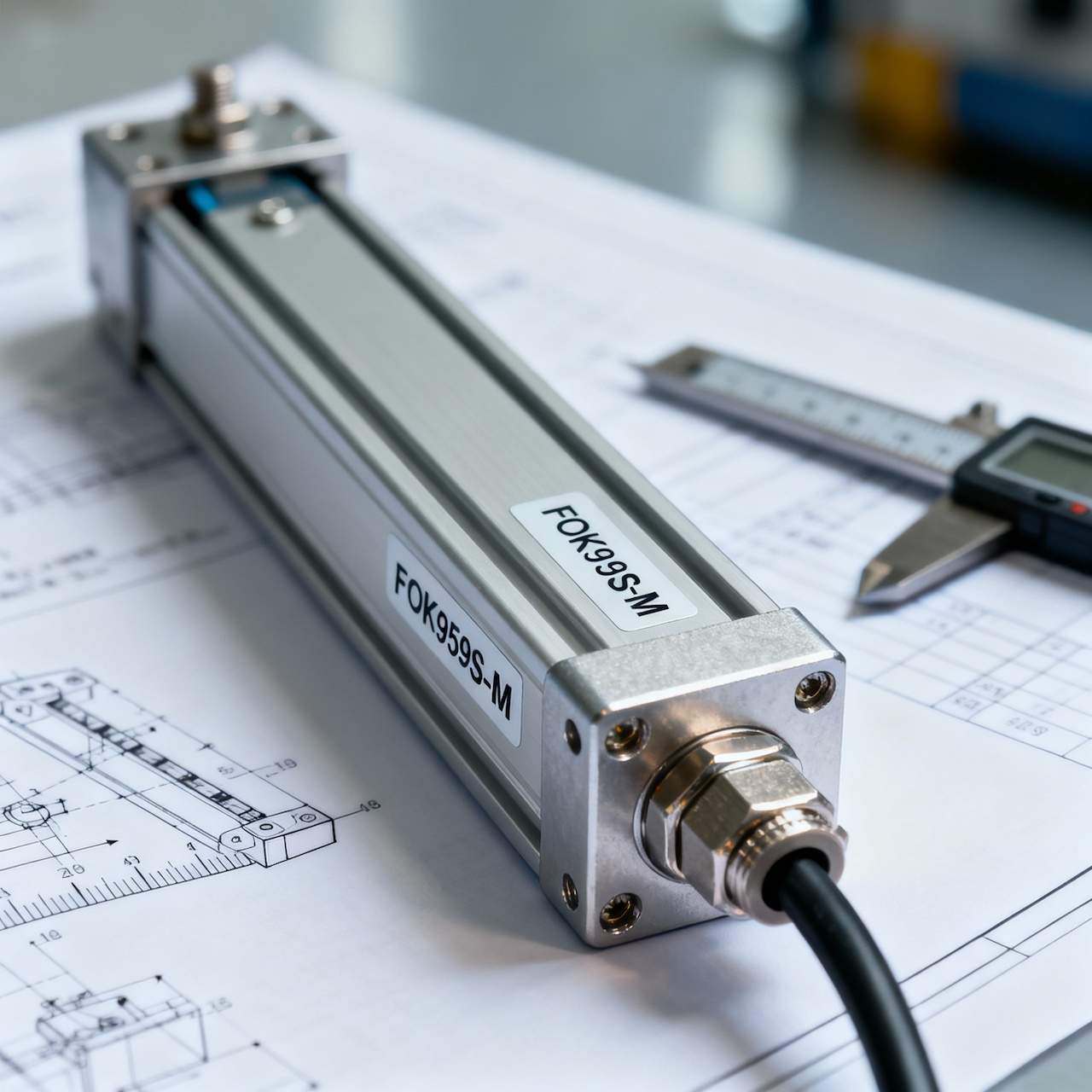
FOK959S-M Model: Complete Guide
If you’ve ever tried to replace a failed actuator or control module and found yourself staring at a worn label that reads “FOK959S-M,” you know the frustration. It’s not a household brand name, and a quick search doesn’t always give you the clarity you need. The FOK959S-M model is a part identifier used across multiple industries—smart bed systems, industrial automation, embedded control modules, and appliance hardware. The challenge is that one missing letter or digit in the suffix can mean the difference between a perfect fit and a costly mistake.
This comprehensive guide walks you through everything you need to know about the fok959s-m model: what it represents, how to identify your exact variant, the different types available, compatibility requirements, sourcing strategies, and installation best practices. Whether you’re a technician troubleshooting a bed actuator, a facilities manager replacing a control module, or a procurement specialist trying to order the correct component, this guide provides the practical knowledge you need. For quick access to specific topics, we’ve linked to detailed cluster guides throughout—including how to find fok959s-m model numbers and type of fok959s-m bed model breakdowns.
What Is the FOK959S-M Model?
The FOK959S-M model is a part number—essentially a code that manufacturers use to identify specific configurations of components. Think of it as a family name plus variant details. In most systems, “FOK” represents the product family or platform, “959S” indicates the series or design generation, and “-M” specifies a particular variant, often meaning Module, Modified, or Metric, depending on the manufacturer’s convention.
Here’s where it gets tricky, though. This model code appears on completely different types of components depending on the application. In adjustable bed systems, FOK959S-M might label a linear actuator that moves the mattress platform, or it could be stamped on the control box that coordinates multiple motors. In industrial settings, the same code could identify a relay module, a sensor interface board, or a motion control unit. The versatility is great for manufacturers who use modular design, but it creates headaches for anyone trying to order a replacement without full documentation.
The real insight is this: FOK959S-M alone doesn’t tell you enough. You need the complete model string, including any additional suffixes (like MA, MB, M1, M2), revision codes, and batch identifiers. Two components with nearly identical codes can have different voltage ratings, connector types, stroke lengths, firmware expectations, or mounting dimensions. Perhaps the most common mistake in component replacement is assuming that “close enough” will work—it rarely does.
Why You’re Searching for This
Most people land on this guide for one of three reasons: a component has failed and needs replacement, they’re upgrading or refurbishing existing equipment, or they’re trying to standardize spare parts inventory. The common thread is uncertainty. You know you need a FOK959S-M, but you’re not sure which variant, where to buy it, or how to verify compatibility before spending money.
The search intent behind “fok959s-m model” queries is usually a mix of identification, comparison, and procurement. You want to know: What exactly do I have? What else will work? Where can I buy it safely? And how do I install it without causing more problems? This guide addresses all of those questions with practical checklists, real-world examples, and links to deeper resources when you need them.
Breaking Down the Model Code
Understanding how to read the FOK959S-M code helps you ask better questions and verify supplier information. While conventions vary by manufacturer, here’s a typical breakdown:
- FOK: Product family or program identifier. This groups components with similar base designs or target markets.
- 959S: Series or generation code. This indicates a specific design iteration or platform version within the family.
- -M: Variant suffix. Commonly stands for Module, Modified, or Metric. This is where critical differences appear.
- Additional characters (MA, M1, etc.): Sub-variants that specify further customizations—different connectors, cable lengths, firmware versions, or mounting hardware.
The key rule: never abbreviate or guess at the suffix. If your label shows FOK959S-MA and you order FOK959S-M, you might receive a part with different electrical characteristics or incompatible mounting points. When documenting your component, photograph the label clearly and record every character exactly as it appears, including spaces, hyphens, and periods.
How to Find FOK959S-M Model Number
Locating the exact model number is step one, and it requires some detective work. Here’s a systematic approach:
Check Physical Labels and Markings
- Adhesive labels: Look on the component housing, motor casing, mounting brackets, and end caps. For bed actuators, check the cylinder body and cable exit points.
- Metal tags: Industrial components often use riveted or screwed metal plates with stamped or laser-etched markings.
- PCB silk-screen: If you’re working with a control module, open the enclosure (power off first, use ESD precautions) and look for text printed on the circuit board near edges or connectors.
- Cable labels: Some actuators have tags or heat-shrink labels on the cable near the connector.
Review Documentation
- Purchase invoices: The original invoice or packing slip should list the complete part number with descriptions.
- Manuals and parts lists: User manuals, service guides, and bills of materials (BOM) often include exploded-view diagrams with part numbers.
- Warranty cards: Some manufacturers log component details on warranty registration forms.
- Service records: Previous maintenance reports may document parts accessed or replaced.
Contact the Manufacturer
If labels are damaged or missing, contact the manufacturer or supplier with:
- Photos of the component from multiple angles
- Serial number of the host device (bed, appliance, machine)
- Any visible markings, even partial ones
- Measurements: overall length, stroke, mounting hole spacing, connector type
For a detailed walkthrough with inspection checklists and troubleshooting tips for missing labels, see our dedicated guide on how to find fok959s-m model number.
Types of FOK959S-M Models
The “type of fok959s-m” typically refers to performance categories or application-specific variants. While not all manufacturers use formal type names, here are the common classifications you’ll encounter:
Standard FOK959S-M
This is the general-purpose baseline configuration. Standard variants balance cost, availability, and capability without optimization for any extreme parameter. In bed systems, a standard actuator might feature:
- 24V DC power supply
- 200mm stroke length
- 6,000N load capacity
- 6,000-cycle duty rating
- Simple 2-pin power connector with separate limit-switch wiring
Standard types are the safest choice for direct replacement when your original component was also standard. They offer the best availability and lowest cost.
High-Efficiency FOK959S-M
High-efficiency variants are engineered for reduced power consumption and heat generation. Features include:
- Improved motor windings and low-friction gearing
- Advanced control algorithms that optimize current draw
- Better thermal management for high-duty-cycle applications
- Ideal for battery-powered systems or frequent operation
Trade-offs include higher cost (typically 20-30% premium over standard) and sometimes different connector types or mounting dimensions to accommodate enhanced internals.
Compact FOK959S-M
Compact variants sacrifice some performance for a smaller footprint. Common compromises:
- Shorter stroke length
- Lower load capacity
- Reduced duty cycle rating
- Tighter envelope dimensions
Only choose compact variants if your application’s performance requirements are within the reduced specs. Installing a compact unit where a standard was specified can lead to insufficient range of motion, overheating, or premature wear.
Specialized/Environmental FOK959S-M
Built for harsh conditions—temperature extremes, moisture, vibration, chemical exposure, or electromagnetic interference. Features:
- Conformal coatings on electronics
- Sealed or IP-rated enclosures
- Corrosion-resistant materials
- MIL-STD or medical-grade certifications
These variants are critical in medical, marine, food service, or outdoor installations. Expect longer lead times, higher MOQs, and premium pricing.
For a detailed comparison of variant specifications, use cases, and compatibility notes, see the dedicated article on type of fok959s-m variants.
Type of FOK959S-M Bed Model
When the FOK959S-M appears in adjustable bed systems, it’s usually labeling either the linear actuator or the control box. Understanding bed-specific considerations is crucial for successful replacement.
Actuator Specifications
Stroke length determines how far the mattress section can articulate. Common values:
- 150mm – compact beds, limited adjustment
- 200mm – standard residential beds
- 250-300mm – full-articulation or medical beds
Load capacity must support the mattress weight plus user weight. Typical ratings:
- 4,000N – single or twin beds, lighter users
- 6,000N – standard double/queen beds
- 8,000N+ – heavy-duty or bariatric beds
Connector and Cable Considerations
- 2-pin connectors: Simple DC power, polarity reversal changes direction
- 4-pin connectors: Power plus limit switches or basic feedback
- Multi-pin connectors: Advanced feedback (potentiometer, Hall sensor) or digital protocols
Cable length matters too. Common options are 500mm, 1000mm, and 1500mm. Match the original length to avoid routing issues or excessive slack.
Control Box Compatibility
Not all FOK959S-M actuators work with all control boxes. Key compatibility factors:
- Control protocol: Simple relay, PWM speed control, position feedback, or digital bus (CAN, RS-485)
- Current draw expectations: Control boxes are sized for specific actuator current profiles
- Limit switch logic: Normally open vs. normally closed, series vs. parallel wiring
- Pairing requirements: Some systems need a learning sequence after replacement
Pairing and Calibration Steps
After installing a replacement actuator, many bed systems require:
- Power cycle the control box
- Press a specific button sequence on the handset to enter pairing mode
- Run the actuator through full extension and retraction to map travel limits
- Save the configuration and test all preset positions
Skipping calibration can result in incorrect positions, uneven movement, or fault codes. Always consult the manufacturer’s service manual for the exact procedure.
For bed-specific pinouts, pairing guides, and common troubleshooting scenarios, see the focused resource on type of fok959s-m bed model.
Compatibility: The Three-Part Check
Compatibility isn’t binary. A component can pass electrical checks but fail mechanically, or pass both and still fail on control interface. Use this three-part framework:
Electrical Compatibility
- Voltage: Match exactly (12V, 24V, 36V, 48V DC; or 110V, 230V AC). No substitutions.
- Current rating: Verify your power supply or control box can handle the actuator’s current draw, including inrush.
- Duty cycle: High-duty applications need components rated for frequent operation; low-duty units will overheat.
- Polarity and protection: Confirm polarity marking and any reverse-polarity or overcurrent protection requirements.
Mechanical Compatibility
- Overall dimensions: Retracted length, extended length, body diameter, clearance requirements.
- Stroke length: Must meet or exceed original to maintain range of motion.
- Mounting hardware: Bracket spacing, hole diameter, bolt pattern, end fitting type (clevis, ball joint, threaded rod).
- Weight: Heavier replacements may need reinforced mounting or cause imbalance.
Control Interface Compatibility
- Signaling type: Two-wire DC, limit switches, analog feedback (potentiometer), digital feedback (Hall effect, encoder), or serial/bus protocols.
- Firmware expectations: Some control boxes enforce specific current signatures or limit-switch configurations.
- Handset features: Memory presets and position displays require position feedback—simple actuators won’t support these features.
For printable checklists, wiring diagrams, and compatibility test procedures, visit the FOK959S-M compatibility guide.
How to Source the Right Replacement
Sourcing is where diligence pays off. Counterfeit components, gray-market parts, and near-matches all look legitimate until they fail in the field.
Start with Authorized Channels
- Contact the original equipment manufacturer’s parts department
- Use authorized distributors listed on the manufacturer’s website
- For bed systems, check the bed brand’s online parts portal
Authorized channels guarantee genuine parts, proper documentation, and warranty coverage. Prices are higher, but you avoid compatibility surprises and return hassles.
Vet Third-Party Suppliers
If you must use third-party sellers, verify:
- Credentials: ISO certification, industry association membership, customer references
- Documentation: Request datasheets, certificates of conformity, batch traceability records
- Return policy: Clear terms for returns if the part doesn’t match or fit
- Reviews: Check third-party review sites and forums for red flags
Order Samples First
If you’re replacing multiple units or stocking spares:
- Order a single sample unit
- Test in your actual system under real load
- Verify fit, function, noise, heat, and limit behavior
- Document results before committing to bulk purchase
Document Everything
Maintain records for every component:
- Full model number including all suffixes and revision codes
- Supplier name, contact, and credentials
- Purchase order number and date
- Batch or lot code from the label
- Test results and installation notes
This documentation accelerates future reorders and supports audits or warranty claims. For a buyer’s checklist with red flags and authenticity verification tips, see where to buy FOK959S-M replacements.
Troubleshooting Common Issues
Even with the correct model, problems can occur. Recognizing symptoms quickly saves time and prevents misdiagnosis.
No Response or Intermittent Operation
Possible causes:
- No power at connector (check voltage with multimeter)
- Blown fuse or tripped breaker
- Corroded or loose connector pins
- Faulty wiring or damaged cable
Next steps: Verify supply voltage, inspect connectors, check continuity, test with a known-good power source.
Stops Short of Full Travel
Possible causes:
- Mechanical binding or obstruction
- Incorrect stroke length (shorter than original)
- Limit switches out of adjustment
- Missing calibration after replacement
Next steps: Check for obstructions, verify stroke spec, run calibration routine per manufacturer instructions.
Overheating
Possible causes:
- Overload (load exceeds rating)
- Low supply voltage causing high current draw
- Exceeded duty cycle (too frequent operation)
- Insufficient cooling or ventilation
Next steps: Reduce load, verify supply voltage under load, allow longer rest periods, consider high-efficiency variant.
Excessive Noise or Vibration
Possible causes:
- Mounting misalignment
- Worn gears or bearings
- Insufficient lubrication
- Mechanical resonance with mounting structure
Next steps: Realign mounting brackets, check fastener torque, inspect for wear, add vibration damping if needed.
For detailed troubleshooting flows, diagnostic checklists, and repair procedures, consult the FOK959S-M troubleshooting guide.
Installation and Replacement Best Practices
Proper installation prevents early failures and ensures reliable long-term operation. Follow these steps:
Pre-Installation Checks
- Verify the new component matches your documented model number
- Photograph the new unit’s label for records
- Inspect for shipping damage (dents, cracks, bent shafts, damaged connectors)
- Have tools ready: wrenches, screwdrivers, multimeter, torque wrench if specified
Safety First
- Disconnect power at the source
- Discharge any stored energy (capacitors, springs, hydraulic pressure)
- Use ESD wrist straps for electronic modules
- Follow lockout/tagout procedures for commercial installations
Mechanical Installation
- Mount in the same orientation and position as the original
- Use the same fasteners or equivalent grade/strength
- Torque to manufacturer specs if provided
- Verify clearance through full travel (manually cycle if possible)
- Ensure cables aren’t pinched, kinked, or under tension
Electrical Connection
- Match wire colors and connector orientations carefully
- Use proper crimp connectors or heat-shrink tubing for any splices
- Verify polarity with a multimeter before applying power
- Check continuity on limit-switch or feedback lines
- Seat connectors firmly—confirm they lock or click into place
Pairing and Calibration
- Follow the manufacturer’s pairing procedure (button sequences, software tools, etc.)
- Run calibration cycles to teach travel limits and synchronization
- Test all preset positions and memory functions
- Document configuration settings for future reference
Testing and Validation
- Run multiple full-travel cycles under normal load
- Check for smooth motion, correct speed, proper limit behavior
- Listen for unusual noise or vibration
- Monitor temperature during extended operation
- If multiple actuators, verify synchronized movement
For a detailed walkthrough with tool lists, safety protocols, and common installation mistakes to avoid, see the FOK959S-M installation walkthrough.
Quick Reference Checklists
Identification Checklist
- Check adhesive labels on housing and brackets
- Inspect PCB silk-screen and metal tags
- Photograph all markings including QR codes and batch numbers
- Review purchase invoices and parts lists (BOM)
- Check warranty cards and service records
- Contact manufacturer with photos and device serial number if needed
- Record full model string exactly as shown
Ordering Checklist
- Confirm full model number including variant suffix
- Verify voltage, current, and duty cycle ratings
- Match stroke length, load capacity, and mounting dimensions
- Check connector type, pinout, and cable length
- Confirm control interface (relay, limit switches, feedback, protocol)
- Request datasheet and certificate of conformity
- Order sample for testing before bulk purchase
- Document supplier, PO number, and batch code
Installation Checklist
- Verify new component matches documentation
- Inspect for shipping damage
- Disconnect power and follow safety protocols
- Mount in correct orientation with proper fasteners
- Verify clearance and cable routing
- Match wire colors and check polarity
- Complete pairing or calibration procedure
- Test under normal load and operating conditions
- Check limits, speed, noise, and temperature
- Document installation date and configuration settings
Frequently Asked Questions
Is FOK959S-M a brand name?
No, it’s a part identifier or model code used by manufacturers to specify component configurations. Multiple vendors may use similar coding schemes, so always verify the source and request full documentation.
Do I really need the exact suffix or will close be good enough?
You need the exact suffix. Even one-character differences (FOK959S-M vs. FOK959S-MA) can represent different connectors, voltages, firmware, or dimensions. “Close enough” often leads to incompatibility, returns, and downtime.
Where is the model number on a smart bed actuator?
Common locations include adhesive labels on the motor casing side or end, stamped markings on mounting brackets, tags on cables near connectors, or inside control box lids. You may need a flashlight and mirror to see labels in tight spaces.
Can I substitute a Compact variant for a Standard one?
Only if the Compact variant meets all performance requirements. Compact units typically have shorter stroke, lower load capacity, or reduced duty cycles. Verify specs carefully before downgrading from Standard to Compact.
What if the label is damaged and I can’t read it?
Check documentation first—invoices, manuals, warranty cards, or parts lists. If unavailable, contact the manufacturer with the host device serial number and photos. They can often look up the original configuration. For detailed steps, see find fok959s-m model number.
How do I verify a replacement is genuine?
Request certificates of conformity, datasheets, and batch traceability from the supplier. Inspect quality—clean molding, legible markings, proper packaging. Compare dimensions and specs to published data. Order from authorized distributors when possible.
Can I use a 24V actuator on a 12V system?
No. Voltage mismatches cause immediate failure or no operation. Motor windings and electronics are designed for specific voltages. Always match the voltage rating exactly.
Real-World Lessons
In my experience working with component replacements, the most costly mistakes come from rushing. I’ve seen facilities order three times before getting the right actuator because they didn’t photograph the full label—they missed the “A” at the end of the suffix. Another common issue is assuming all FOK959S-M actuators in a bed frame are identical, when actually the head and foot actuators had different stroke lengths.
The fix is simple but requires discipline: photograph everything on intake, confirm the suffix twice before ordering, and test one unit before bulk purchases. It’s not glamorous, but it prevents expensive mistakes and downtime. Perhaps the biggest insight is accepting ambiguity—”M” usually means Module, but I’ve seen catalogs where it signaled Metric mounting. When in doubt, ask the supplier directly and get it in writing.
Conclusion
The FOK959S-M model represents a category of versatile components used across bed systems, industrial automation, and embedded applications. Success in replacement and sourcing comes down to three disciplines: identify precisely (full model string with all suffixes), verify compatibility (electrical, mechanical, and control interface), and source responsibly (authorized channels, documentation requests, sample testing).
By following the systematic approaches outlined in this guide—checking labels and documentation, understanding variant types, using compatibility checklists, vetting suppliers, and following installation best practices—you’ll avoid the common pitfalls that lead to wrong parts, compatibility issues, and premature failures. The key is treating the model code like a contract: every character matters, and “close enough” is a warning sign, not a solution.
For quick access to specific procedures and checklists, revisit the linked cluster guides: how to find fok959s-m model for identification steps, type of fok959s-m for variant comparisons, compatibility guide for interface verification, buying and authenticity checks for sourcing tips, troubleshooting guide for diagnostic flows, and installation walkthrough for step-by-step procedures. When in doubt, slow down, verify the suffix, document thoroughly, and remember that a few minutes of diligence now saves hours of frustration later.